The Lee’s Garden Project: Recipe for Chow Mein and Fried Rice

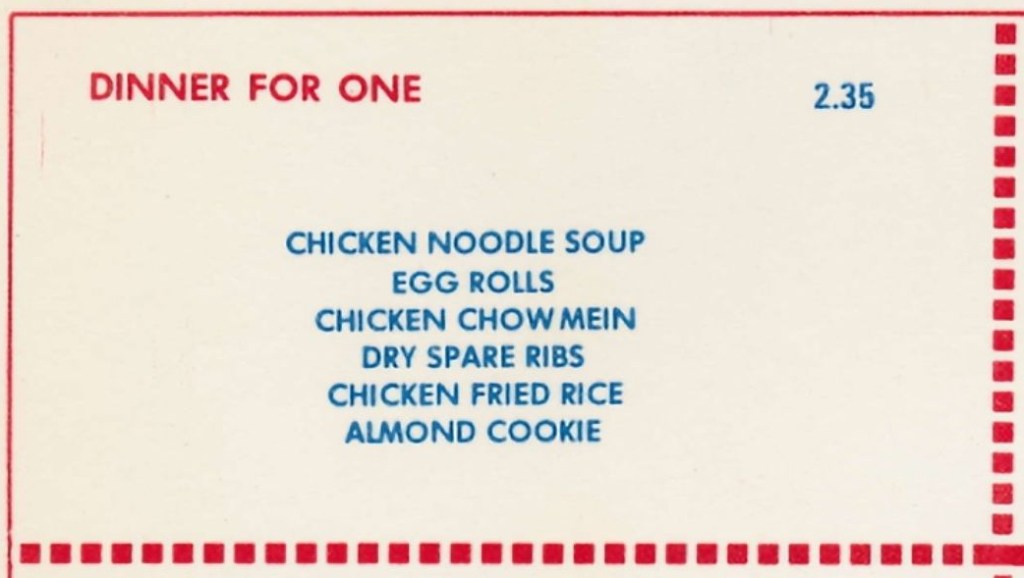
A couple of weeks ago, a friend and I recreated one of the most popular menu items from my family’s restaurant. Back in the late 1960s and early 1970s, one could order Dinner #1 for $2.35. Since both of our fathers worked in Chinese-Canadian restaurants, we found ourselves reminiscing about the food they served and our favorite dishes. So, we decided it would be a fun project to recreate some of the more popular menu items and our personal favorites from the Lee’s Garden menu.

From top to bottom: Dry Garlic Spare Ribs, Chicken Fried Rice and BBQ Pork Chow Mein with Bok Choy

The recipes are not from the restaurant. They are from my friend’s personal collection of recipes he has created called “Son of a Short Order Cook.”  

The recipe for Dry Spare Ribs has been on my blog for several years and is the only original recipe I have from the restaurant.

Have fun with the recipes. Don’t worry if you’re missing something and don’t be afraid to substitute something for whatever you have in the fridge.
CHICKEN CHOW MEIN

Ingredients

  • 200 gm Chow Mein egg noodles
  • 200 -250 gm skinless chicken breast, sliced (can substitute with beef)
  • 2 or 3 stalks green onions, white part finely chopped, green part chopped in ½ inches pieces
  • 2 garlic cloves, minced
  • 1 tsp fresh ginger, julienned
  • 4 junior Chinese bok choys, washed and the stalks separated (can add/substitute with bean sprouts or other greens – snow peas, green peppers, broccoli, Chinese cabbage)
  • ½ tsp white pepper
  • ½ tsp white sugar
  • ½ tsp baking soda
  • ½ tsp cornstarch
  • 2 tbsp Chinese cooking wine
  • 3 tbsp light soy sauce
  • 1 tbsp oyster sauce
  • 4 tbsp water
  • Cooking oil – sunflower, canola, or any oils with high smoking point

Instructions

Egg noodles from store could be packaged tightly so after opening, loosen them up and place in them in pot of boiling water for approximately one minute. Then take the noodles out and spread them on a baking sheet to dry out. Turn noodles over on the sheet after a while if necessary.

Combine chicken marinade ingredients in a bowl – 1 tbsp light soy sauce, 1 tbsp Chinese cooking wine, ½ tsp baking soda, ½ tsp white pepper. Mix well and stir in the chicken slices. Let marinated chicken sit for 15 to 30 minutes before cooking.

In a separate bowl mix the stir fry sauce ingredients – 2 tbsp light soy sauce, 1 tbsp oyster sauce, 1 tbsp Chinese cooking wine, 4 tbsp water, ½ tsp corn starch, ½ tsp sugar.

Heat cooking oil in a wok, approximately 1 to 2 tbsp or enough to freely coat the entire surface, on medium to high setting. When oil is hot, but not yet smoking, toss in the air-dried noodles in portions at a time to avoid clumping. Stir the noodles around until they turn color but not burnt. Remove noodles and place them in a separate greased uncovered frying pan over low heat, or on a baking sheet in the oven, to keep warm. Check once in a while to ensure they are not burning.

In the same wok, heat another tbsp of cooking oil and toss in the garlic, ginger, and the white part of the green onions. Stir the ingredients on high heat for approximately half minute, then add in the marinated chicken. Stir fry until chicken is browned on both sides. Add the bok choy to the wok and continue to stir fry for another minute or more until contents are cooked. If using other green vegetables such as snow peas or green peppers which take longer to cook, toss them in shortly after the chicken is added so that they all get fully cooked at the same time. Remove ingredients from wok and set aside temporarily in a bowl.

In the same wok pour in the stir fry sauce mixture and turn the heat down slightly towards medium. When mixture begins to bubble, toss the chicken and bok choy back in and when the sauce bubbles again toss in the noodles and the green part of the green onions. Give the ingredients a good stir so the noodles are coated with the sauce. Turn off the heat, put a lid on the wok and let it sit for 5 minutes before serving.

Sprinkle more soy sauce to taste if necessary. Dribble in some water and give it a stir if more moisture is preferred.

NOTE: To reheat leftover chow mein, add 1/2 cup of water, stir, and drain excess water. Then reheat in microwave.  This will help it from becoming too dry.

PLAIN FRIED RICE

Ingredients

  • 4 cups leftover cooked and chilled long grain rice
  • 1 garlic clove, minced
  • 2 stalks green onion, finely chopped
  • 1 large egg, scrambled
  • 1 tbsp light soy sauce, or more if preferred
  • Cooking oil – sunflower, canola, or any oils with high smoking point

Instructions

Heat cooking oil in wok over medium to high heat. Toss in garlic and stir for half a minute or before it starts to burn.

Add the green onions, then the rice. Stir the contents in the wok for a minute. Add the scrambled egg spreading it over the rice mixture and continue stirring the egg into the rice. Add soy sauce and toss rice until egg and soy sauce is well blended in.

Turn off heat, cover wok with a lid and let it sit for 5 minutes before serving.

Options are to add at the end other ingredients cooked separately – chopped chicken pieces, BBQ pork, prawns, peas, corn niblets.
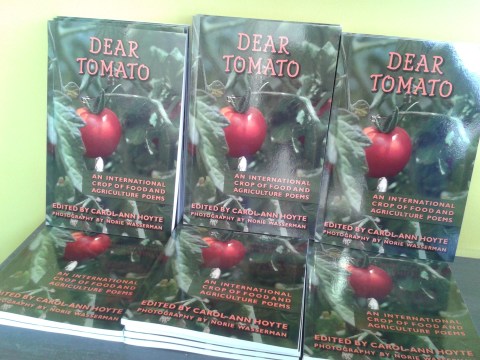

Does this St. Hubert commercial depict Chinese people in a negative way?

St Hubert Restaurant For the past few weeks, the St. Hubert restaurant chain has been running a commercial where the owner of a Chinese restaurant discovers St. Hubert has a $7.95 meal deal. Both of the actors are Chinese and speak in Cantonese with either English or French subtitles. The complaint is that the commercial is demeaning and offensive. It has drawn criticism and comments on its Facebook and Twitter accounts, and sparked a national dialogue on the stereotyping of Chinese-Canadians.

You can watch it here in English followed by the French version.

Do I think the St. Hubert commercial is stereotyping Chinese people? Yes, but not in a negative way.  Is it demeaning? I don’t think so.

Television has not done a good job of depicting Chinese people. I watched the TV series Bonanza when I was growing up and found the character of the Chinese cook, Hopsing, kind of…confusing. My father and none of the Chinese men I knew had a long braid or behaved in a subservient way. Then there was the practice of casting Caucasian actors in Chinese roles, such as Charlie Chan who was played by three Caucasian actors and the TV series Kung Fu where David Carradine was chosen over Bruce Lee to play the lead role.  There are a handful of Asians on prime time shows now, but basically unless there is a scene that takes place in Chinatown, it’s rare to see a Chinese person on TV.

Continue reading

How to Order a Chinese Meal

With the holidays approaching, there’s going to be alot of getting together with friends over brunch, lunch and supper. So, I thought I’d post an article I wrote about ordering a meal in a Chinese restaurant that was published in the Oh Canada! column in the October 2002 issue of Canadian Living magazine.

Bon appétit! Or should I say Chin Chin!

* * *

When my father was alive, we celebrated holidays and birthdays with family dinners in Chinatown. Combined with my older brother’s and sister’s families, we would commandeer the largest table at our favourite restaurant.

While we buried our heads in the menus, my father would sit back, cross his arms and seem to stare off into outer space. When the waiter arrived, we would shout out our favourite dishes by their numbers on the menu.

When it was my dad’s turn, he would ask about dishes that weren’t on the menu. The waiter would brief him on the delicate flavouring of duck tongue, fried intestines and stewed tripe. Any mention of bitter melon fermented with black beans would make my father’s mouth water. “But they would never eat it,” he would mourn with a nod in our direction, and sadly order something for us with beef, pork or chicken. After scribbling characters onto his notepad, the waiter would shuffle off to the kitchen. My dad would turn to us with a sigh of dismay, and say, “You don’t know how to eat!”

According to him, the best dishes were not printed on the stain-speckled plastic menus the waiter tossed onto the table; they were written on the white, pink or red sheets of paper that adorn the walls of many restaurants in Chinatown. Black brush strokes list delectable dishes that are unfamiliar to the North American palate. Being Canadian-born, I always felt that ordering a meal off the wall required special skills to crack the secret code – like Indiana Jones reading hieroglyphs. If only I had made it past Grade 1 in Chinese school.

When the waiter returned with part of our order carefully balanced along the length of one arm, my dad would lament the predictability of his Canadian-born children and grandchildren. Cantonese chow mein and lemon chicken were mainstays at our every meal. Oh, we enjoyed traditional dishes, such as Eight Enhancement Soup, chicken boiled in soy sauce and Cantonese lobster, but it was the writing on the wall that separated immigrant from Canadian-born Chinese.

“What is it?” I would ask when an unrecognizable dish found a spot on the crowded lazy Susan in the centre of our table.

“Oh, good stuff,” my dad would say, glowing in anticipation of eating his choice dish. “Nothing you like.”

I would eye it suspiciously and sniff its aroma. I would interrogate my father and the waiter on the ingredients. My dad would grunt his displeasure at my behaviour. Was this really just about the food, or had I missed the cultural boat by ordering from the wrong menu?

My Canadian-born Chinese friends also back away from the wall when we dine together. And if the waiter reads the specials off the wall in Cantonese or whatever is his native dialect that ultimately brings up another embarrassing point: we can’t understand Chinese either.

“Can’t read and can’t speak?” a waiter once exclaimed, echoing our parents’ disappointment. “Lemon chicken!” he sang out in heavily accented English as we slowly sank under the table in embarrassment.

My father passed away several years ago, and, though our families still gather for special dinners, the ones in Chinatown are less frequent. On those rare occasions, it’s my brother who – with the waiter’s help – ventures to order off the wall.

When an unfamiliar dish arrives, I still look at it with suspicion. But you know what? I really like lemon chicken.

Feasting on First Friday

A Food Truck Extravaganza

One of the best things that happened to Montreal this summer was the food trucks. I didn’t mind lining up for a half hour on a sunny day in the park to place my order. The food was always fresh and a delicious change from the usual fare at the food court. So when my copy editor, Virginia Modugno, mentioned that the food trucks congregate at the Olympic Stadium on the evening of the first Friday of every month, I had to go. It would be a chance to try out some trucks that I hadn’t yet visited.

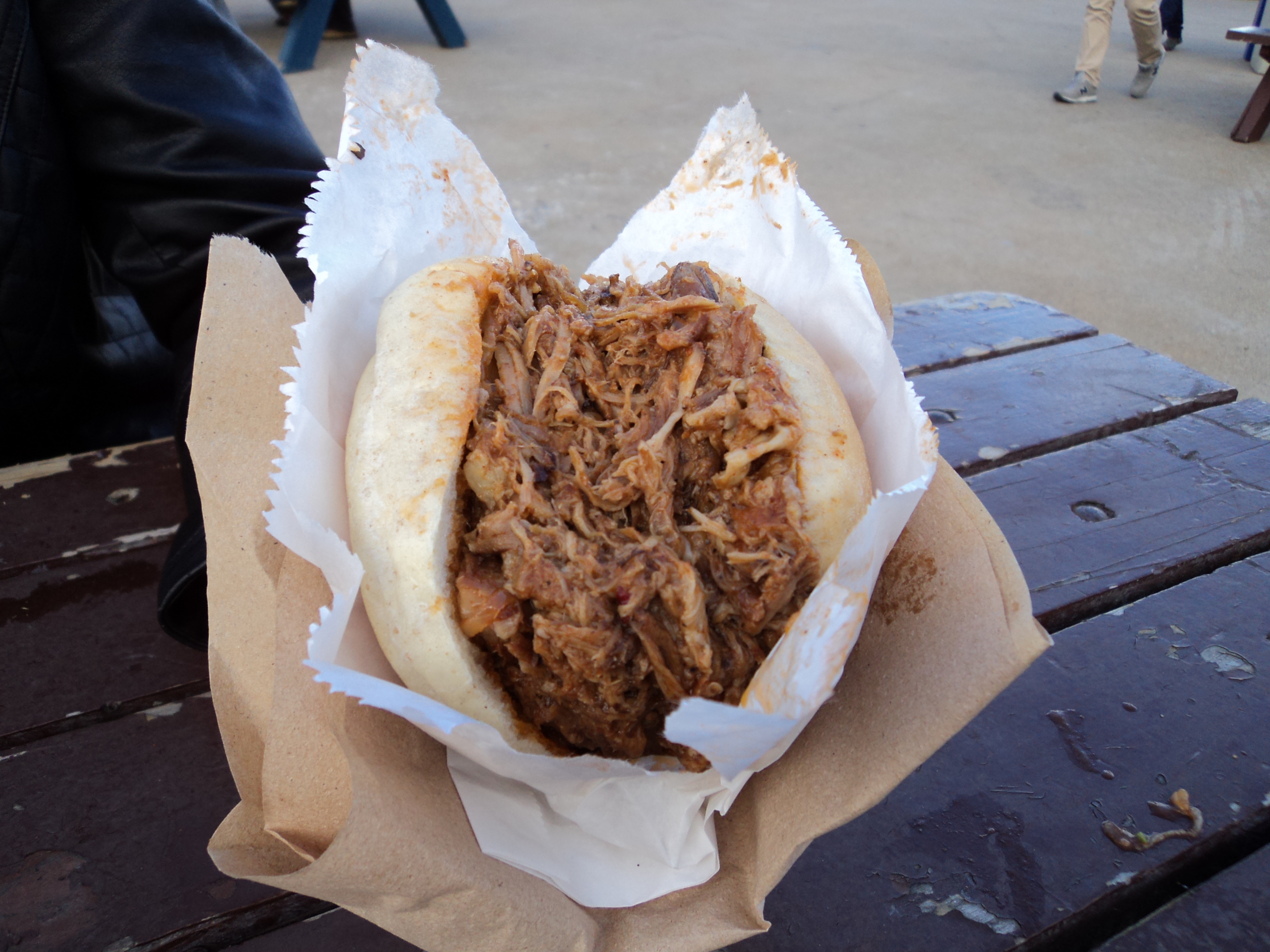
Pulled pork sandwich

Pulled pork sandwich

It turned out that yesterday would be the last First Friday for the year. We got there around 5 p.m. Twenty-six trucks were already parked and serving early birds like us. We took our time to walk around and study the menus. Poutine with shitake and portobello mushrooms. Pulled pork sandwiches. Filet mignon sandwich made with artisan bread, cream cheese, onions, caramelized pepper, jalapeño and honey mustard. Braised duck wrap with green apples, Swiss cheese, mixed lettuce and Japanese vinaigrette. Lobster roll. Perogies with sour cream and blue cheese. Crab cake with Thousand Island dressing. Smoked meat sausage sandwich. Mac ‘n cheese tuna pie. Turnover style tourtière. Zucchini fries. Meatball taco, and much, much more.

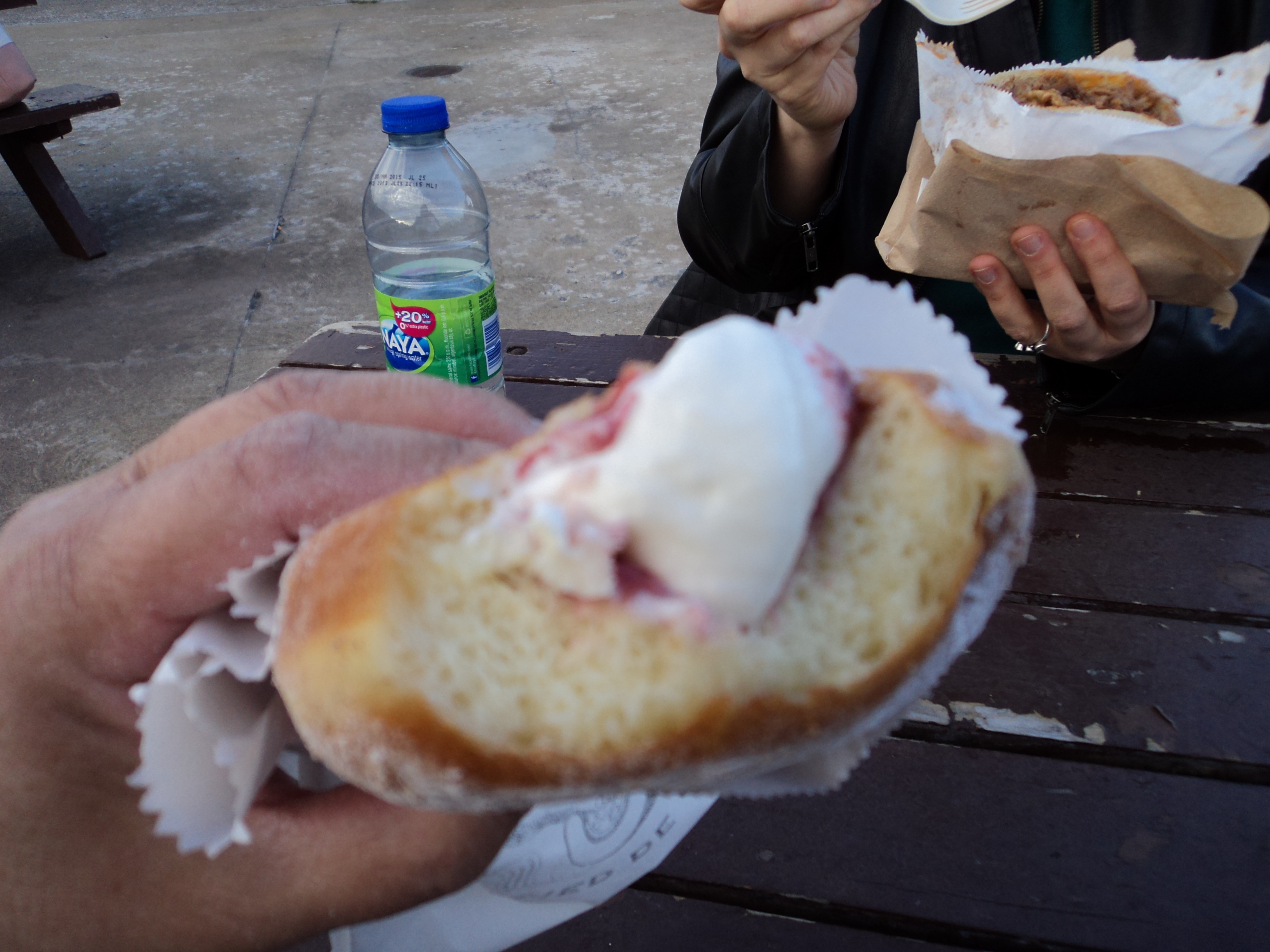
Crab apple and Chantilly cream filled doughnut

Apple and Chantilly cream filled doughnut

While Virginia decided on a pulled pork sandwich, I decided to start with dessert. The chalkboard menu at Au pied de cochon listed an apple and Chantilly cream filled doughnut for $4. This was not going to be an evening to count calories.  I have no regrets. 🙂
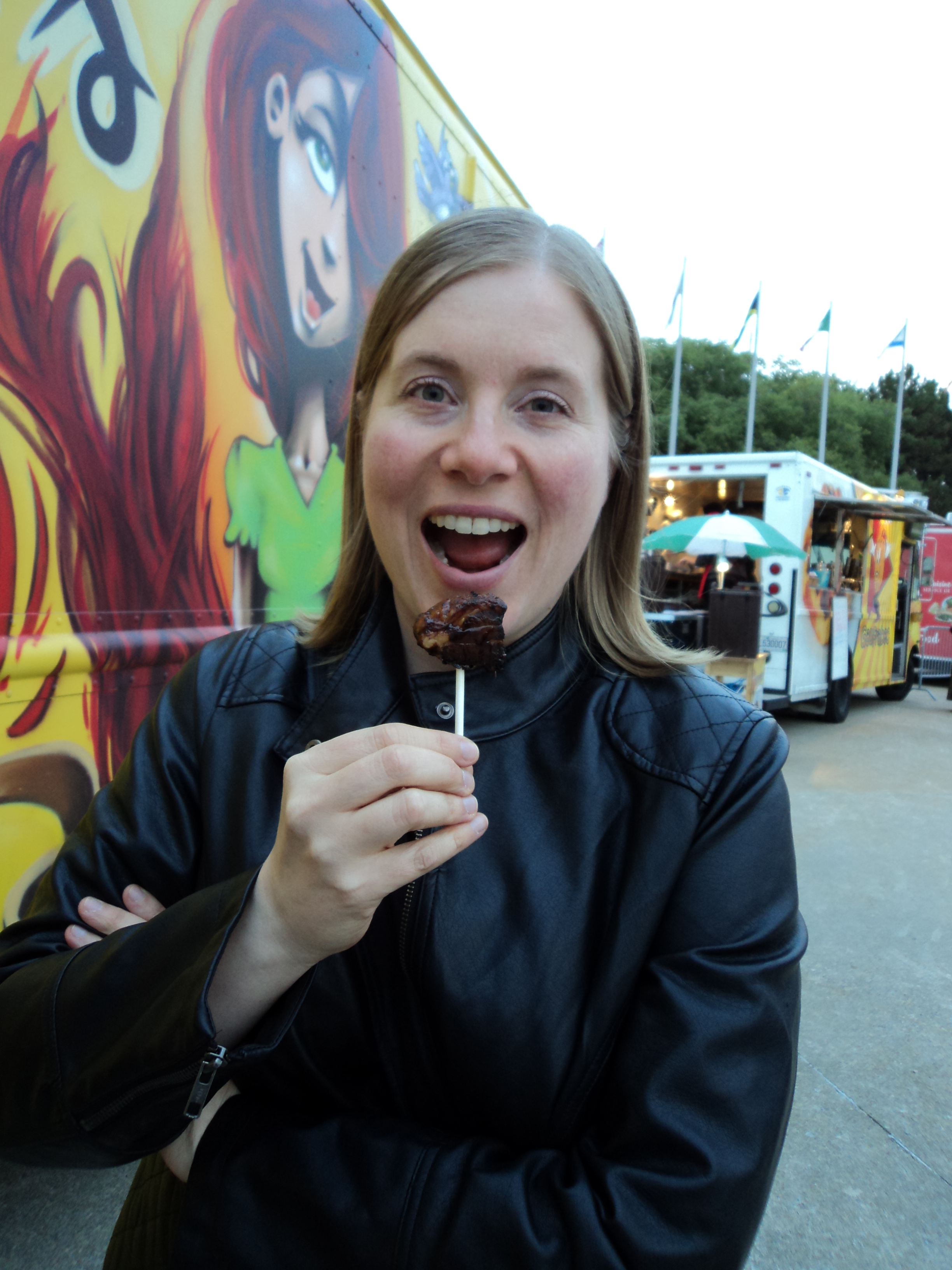
Virginia and the pork belly lollipop

Virginia and the pork belly lollipop

Dessert was followed by a lobster roll for $10 from Lucille’s. Sorry, but I wolfed it down before I realized that I hadn’t taken a photo of it. The most interesting bite I had that evening was a pork belly lollipop soaked in maple syrup for $2 from Zoe’s. It sounds weird, but so good! Virginia decided on a Sloppy Mac which is a mac ‘n cheese with ground beef, chilli and bacon bits in a roll.

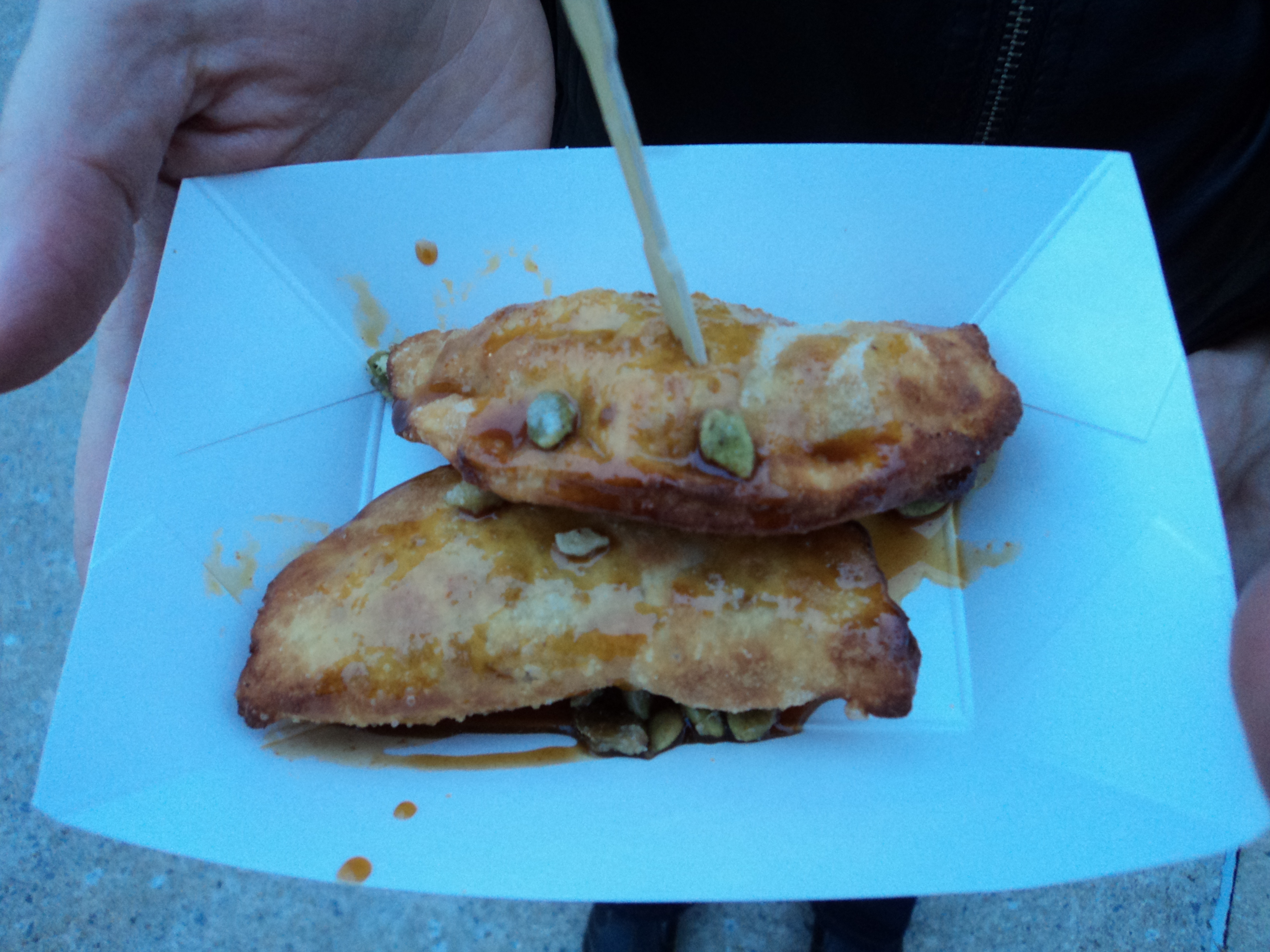
And hey, then it was time for dessert again! Deep fried cheesecake. Butternut pie. Peanut butter pie. Lots of stuff with maple syrup. I decided on the deep fried apple pie with caramel sauce and roasted pumpkin seeds for $6. I washed it all down with a Chai latte for $3 from a truck serving Indian cuisine.

Deep fried apple pie with roasted pumpkin seeds

Deep fried apple pie with caramel sauce and roasted pumpkin seeds

As the sun set, the plaza became crowded and the line-ups at the trucks longer. Reggae music took the chill out of the air. The family picnic atmosphere was enhanced by jugglers and clowns on stilts. Montreal has a lot of great festivals during the summer and I think First Friday is going to be one of my favourites.

Moon Cake and Anime

Moon cakes are only on sale once a year, in August, so yesterday I headed to Chinatown to treat myself to a box. I didn’t have to go far into the grocery store to find them. Stacks of boxes were right up front. My favourite is the one with lotus paste and one egg yolk.

As I wandered through Chinatown taking a look at the sidewalk sale (I mentioned it in my post on Friday) you’ll never guess who I met…Ironman! Yes, Ironman, the comic and movie action hero. He’s here for the anime convention at the Palais des congrès which is located in Chinatown. Can you recognize the other characters below?

Chinese Pastries

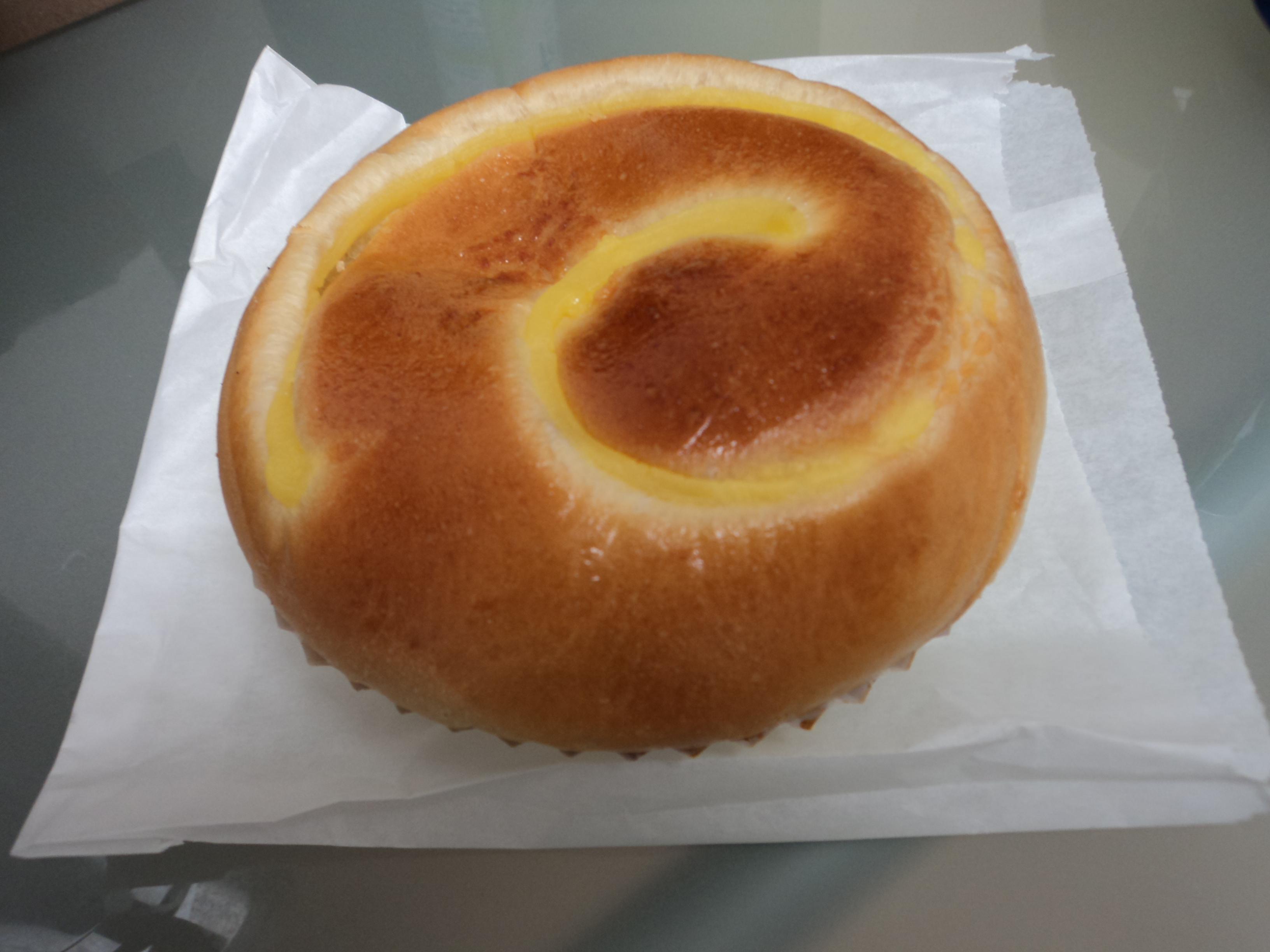
DSC02815Every day on my way to work, I pass by a Hong Kong style pastry shop called Patisserie Cocobun in Atwater metro. It sells a wide variety of freshly baked Chinese buns which include buns filled with either coconut, mango, red bean, custard or if you prefer, no filling at all. I love the bread which is either soft and sweet or lightly crusted. Either way, they’re delicious!  I bought one out of curiosity and now I’m hooked.

The hot buns are filled with either BBQ pork, curry beef, hot dogs or other combinations with ham and are the size of a sandwich. Since  the buns cost less than $2 each, it costs me an average of $4 for lunch.  Cocobun also sells bubble tea and other Hong Kong style cakes and cookies.

DSC02744

Curry beef bun with flaky egg tart for lunch

DSC02741

Red Bean laced bun

DSC02742

Custard bun

Lee’s Garden Dry Garlic Spare Ribs

When I was a kid, my parents owned a Chinese-Canadian restaurant called Lee’s Garden. It was located on Park Avenue near Laurier Avenue in Montreal. I started working there on weekends when I was in elementary school, helping my mother make egg rolls or bagging take-out orders. By the time I was in high school, it became a full-time summer job. I answered the phone and handled the cash register. The restaurant was like a second home. The waiters and cooks became extended family and regular customers became old friends.

Then one day my parents told me something that shocked me to the core.  Nothing on the menu was real Chinese food, they said. The butterfly shrimps, chicken chow mein, pineapple chicken, and everything else was invented for the ghosts, the red-haired devils. The news hit me like a lightning bolt. How could that be? Chicken Soo Guy, won ton soup and egg rolls were my comfort food! They were fake?! If the food was fake, then what did I know about being Chinese?

The restaurant’s most popular dish and one of my favourites (and still is) was Dry Garlic Spare Ribs. The tender, melt off the bone ribs with the sweet, sticky sauce was on almost every order. The recipe is one of the few things I have left of the restaurant and I’ve decided to share it with those who made the restaurant a welcoming place, a place where Sunday dinners became a part of their family traditions, where special occasions were celebrated and where the regulars dropped by for a cup of coffee, a piece of pie and friendly banter. You. The public.

Lee’s Garden closed in the early 1970s, but it remains forever in my heart. If you or anyone you know frequented the restaurant, please write a comment. I’d love to hear your story.

Lee's Garden Dry Garlic Spare Ribs

Lee’s Garden Dry Garlic Spare Ribs

(A Chinese-Canadian classic)

 3 lbs. pork spare ribs

3 cloves of finely chopped garlic

1 1/2 tsp. soy sauce

1 to 2 quarts boiling water

1 tsp. salt

3/4 cup white sugar

  1. Wash and cut the ribs into bite size pieces. Trim excess fat.
  2. Heat a large frying pan or wok on medium high heat. DO NOT ADD ANY oil, butter or margarine as this will produce an oily film on the ribs.
  3. Stir fry ribs until they are an even light brown color. Keep stirring to prevent the meat from sticking to the pan. Drain the juice from the pan.
  4. Add garlic and continue to stir fry for five minutes.
  5. Sprinkle the soy sauce over the ribs and continue stir frying on medium for about 3 to 4 minutes.
  6. Pour boiling water into the pan until the water just covers the ribs.
  7. Sprinkle the salt over the ribs and stir. Cover and boil on medium high for 10 minutes.
  8. Add sugar, distributing it evenly over the ribs. Cover and boil on medium for 20 minutes.
  9. The ribs should be very tender. If not, continue to boil for a few more minutes.
  10. The sauce should be thick and brown. If it is still too watery, leave the cover off, allowing some of the water to evaporate. If the sauce is too thick, add a bit of boiling water.

The Ancestral Ceremony

Image

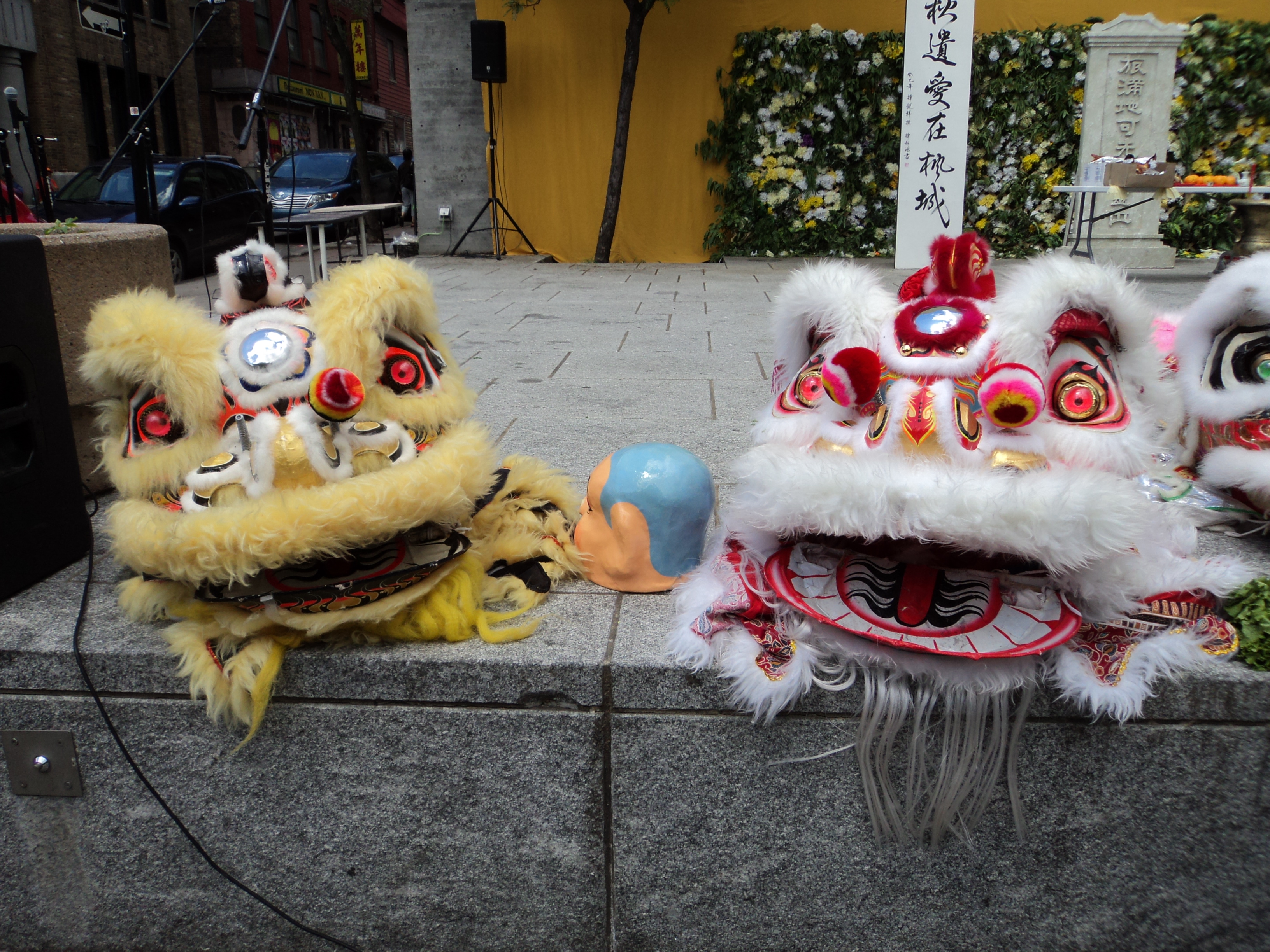
Lion heads

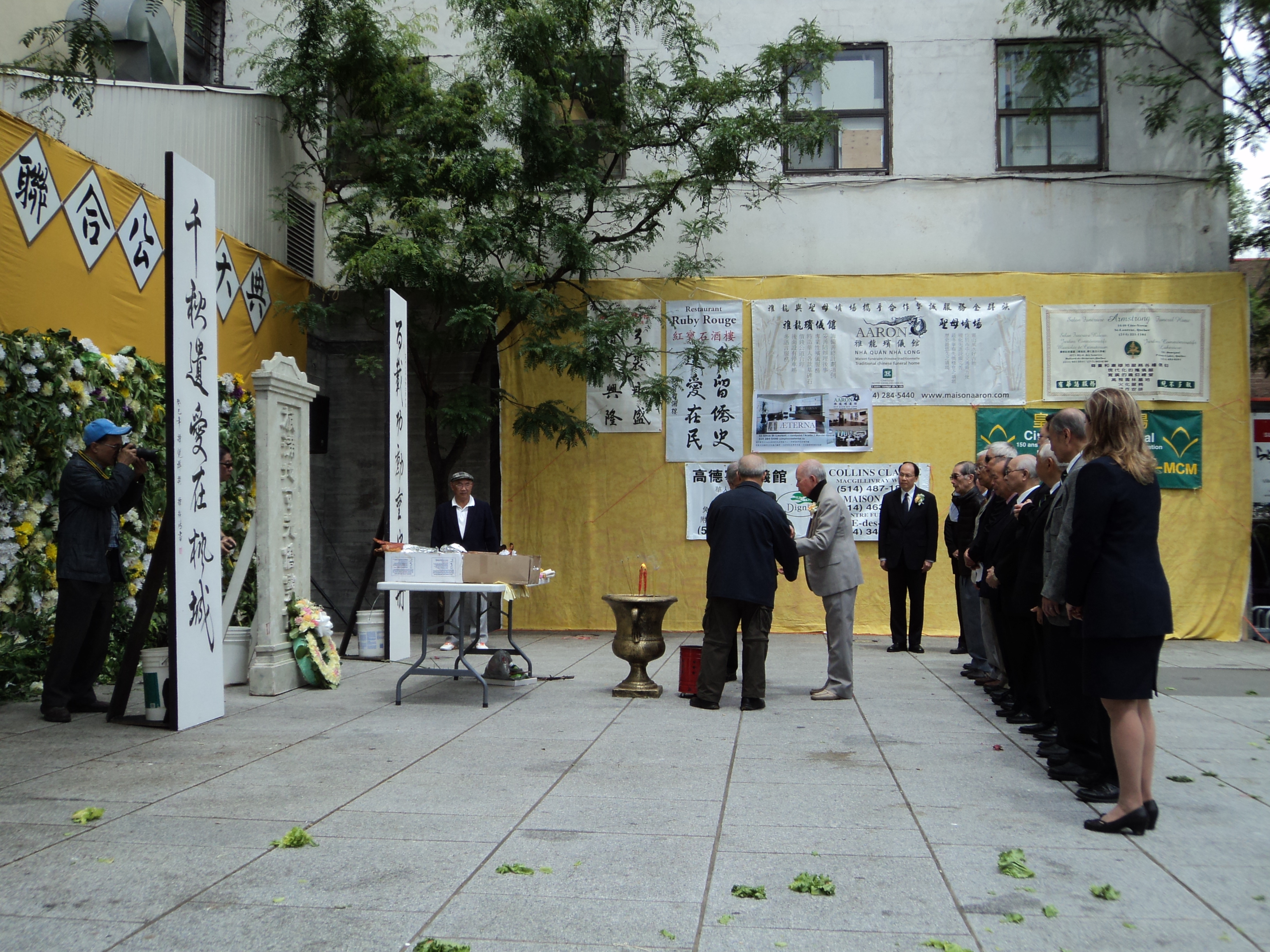
On Sunday, June 9th, I went to Chinatown to watch The Ancestral Ceremony. It’s an annual event held by the Montreal Chinese Association to honor our ancestors who came to Canada from China to build the Canadian Pacific Railway. After the railway was built, some of these men settled down in Montreal, creating what we now know as Chinatown.

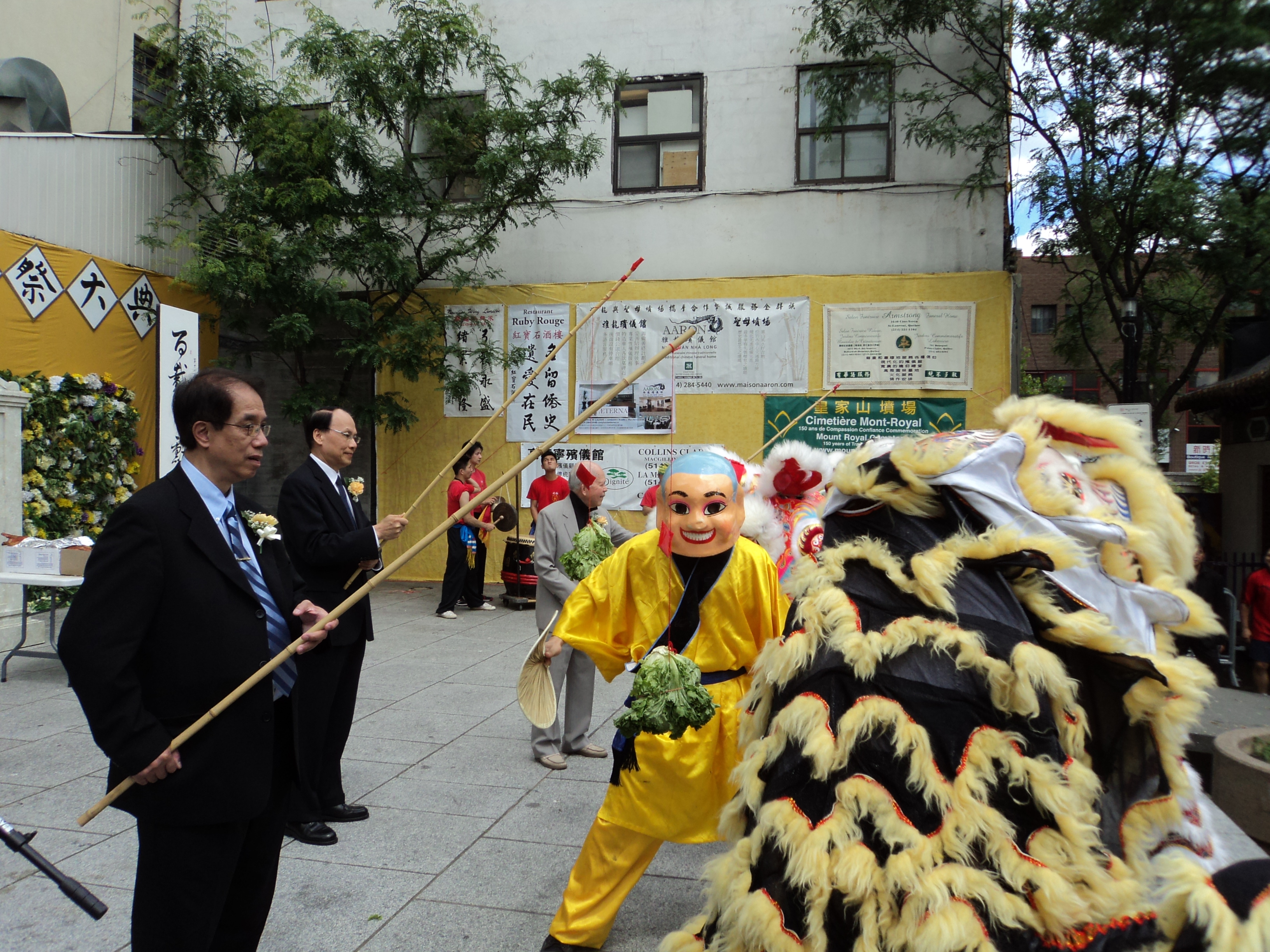
The hour long ceremony was held in Sun Yat Sen Park. It started with the Lion Dance to wake up the spirits of the ancestors. Dancers dressed in colorful, shimmering lion costumes danced to the beat of cymbals, a gong and a drum that was loud enough to…well,…wake up the dead. After the  ceremony was over, local talent comprising of Chinese musicians, dancers and singers of all ages entertained the crowd. I only took a few photos, but as they say, a picture is worth a thousand words.

SCFA2013 (4)

Offerings on the makeshift altar include a whole roasted pig. The urn is used to burn incense. Paper money is burned in a separate container.

SCFA2013 (11)

There is a feeding frenzy as the lions prepare to eat the red envelopes and lettuce dangling from the poles.

SCFA2013 (16)

A crowd gathers in Sun Yat Sen Park to watch the ceremony.

SCFA2013 (18)

Leaders of the Montreal Chinese Community stand before the altar as offerings are made to the ancestors.

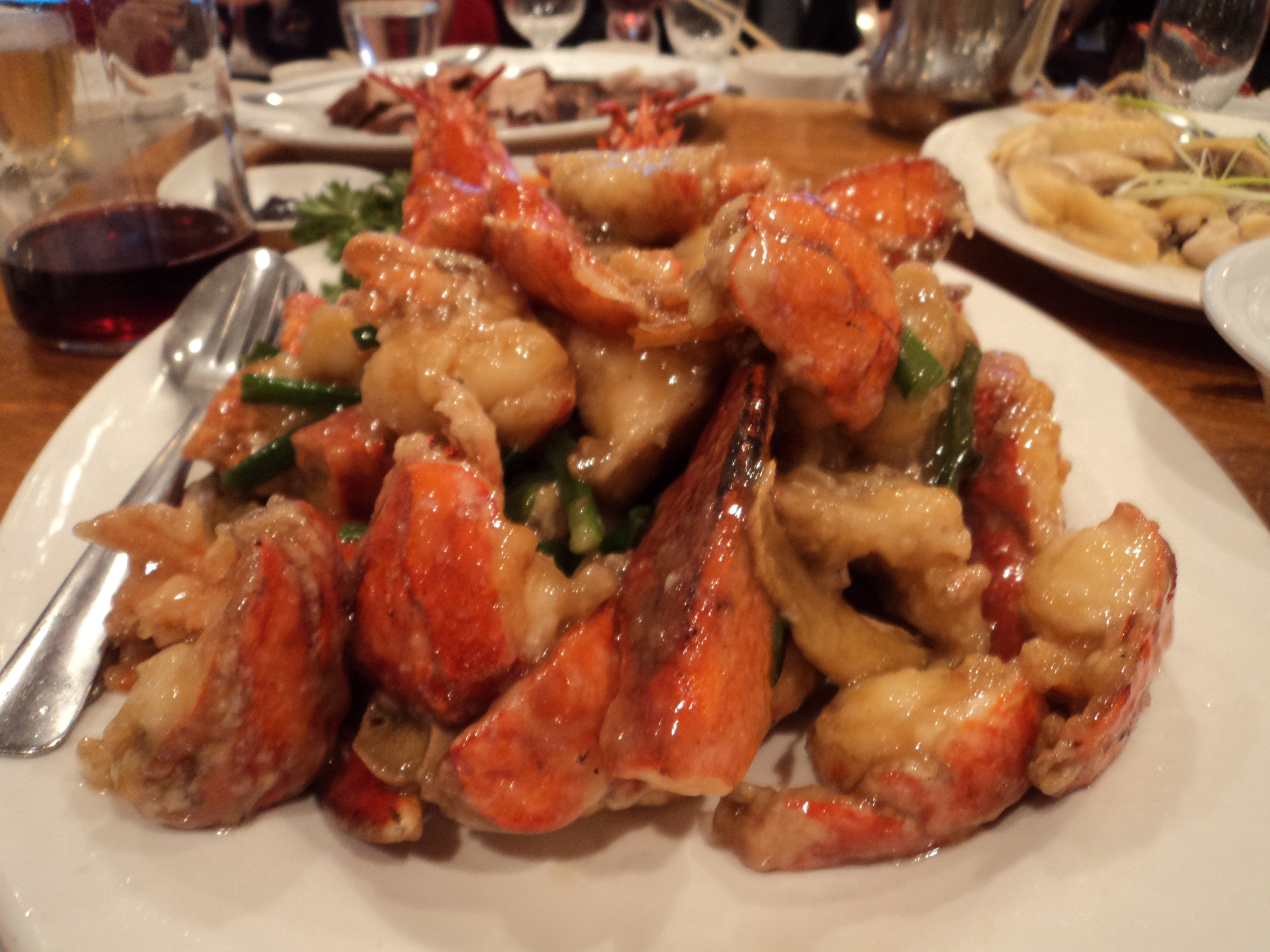
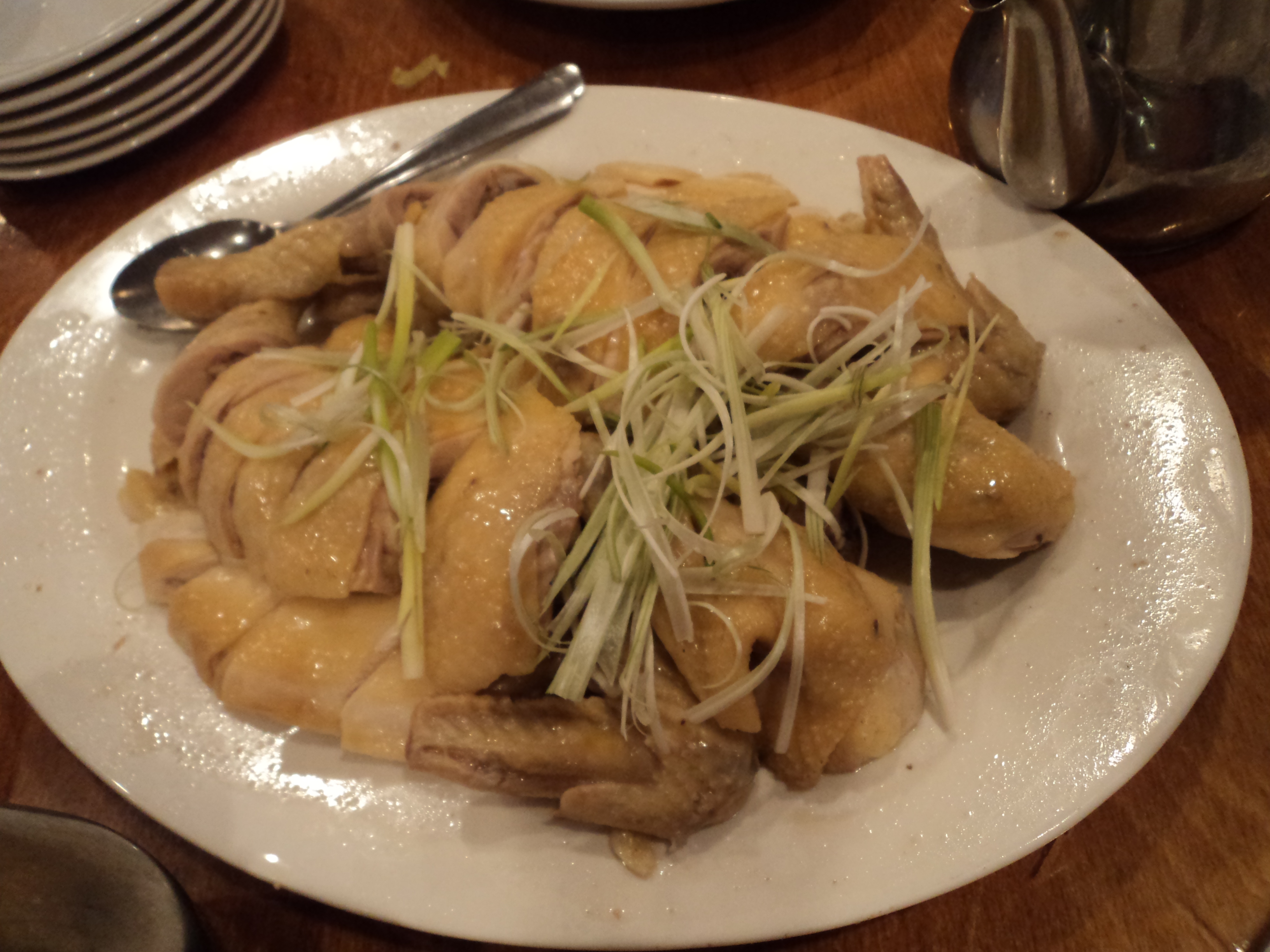
I was invited to attend the Association’s closing banquet at Kam Fung Restaurant that evening. It was a delicious ten course meal that included fish ball soup, deep fried sea food rolls, beef with chinese vegetables, fried rice and noodles. To tempt your curiosity and taste buds, below are photos of some of the other dishes. In all, it was a good day.

SCFA2013 (32)

Tofu and baby bok choy

SCFA2013 (31)

Ginger lobster

SCFA2013 (30)

Steamed chicken, very tender and moist

SCFA2013 (29)

War Siu Guy, a delicious combination of chicken and shrimp. My favorite!

SCFA2013

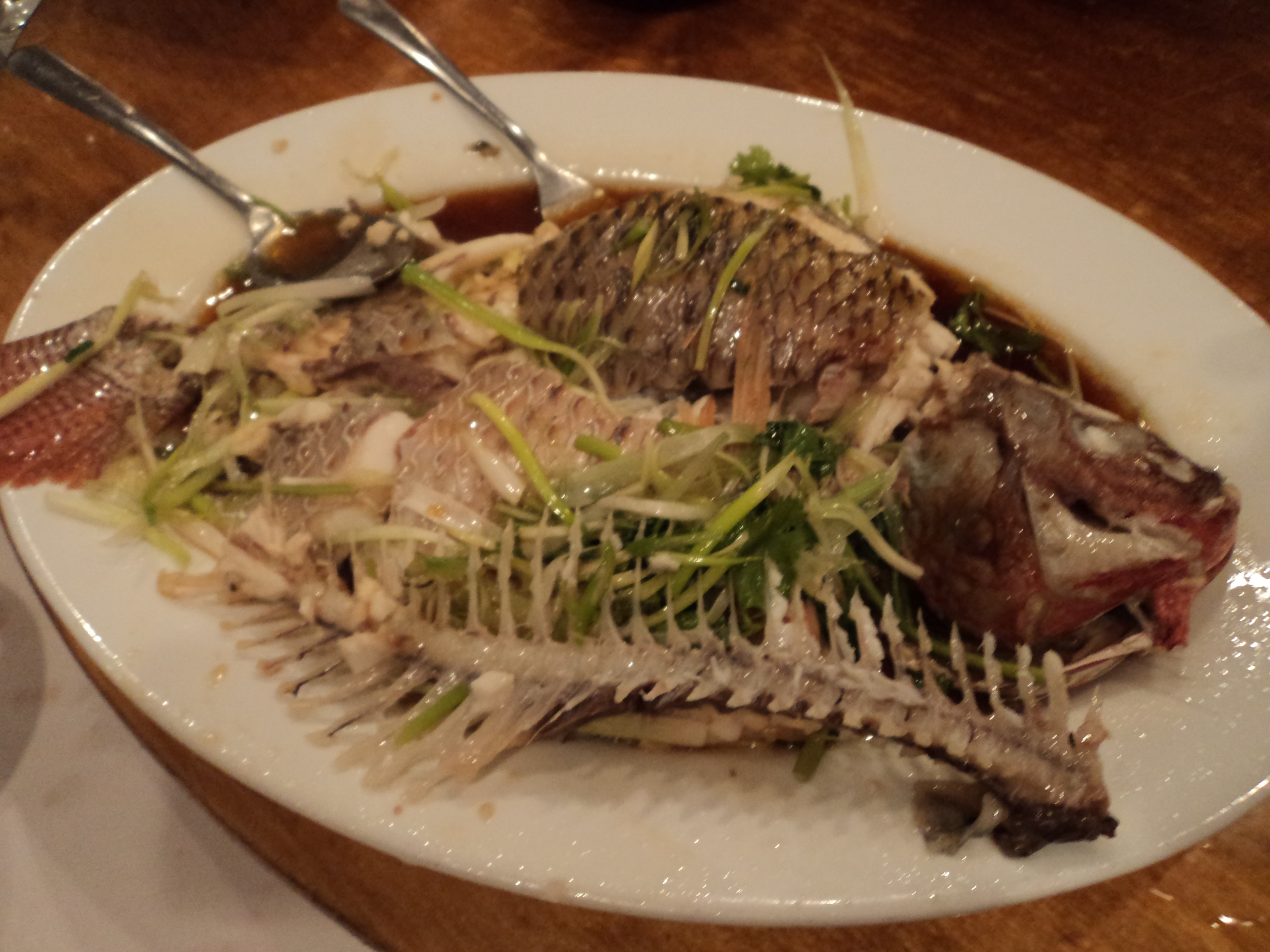
Steamed fish