Digging for Chinese Treasure…in a Museum

Karen Tam

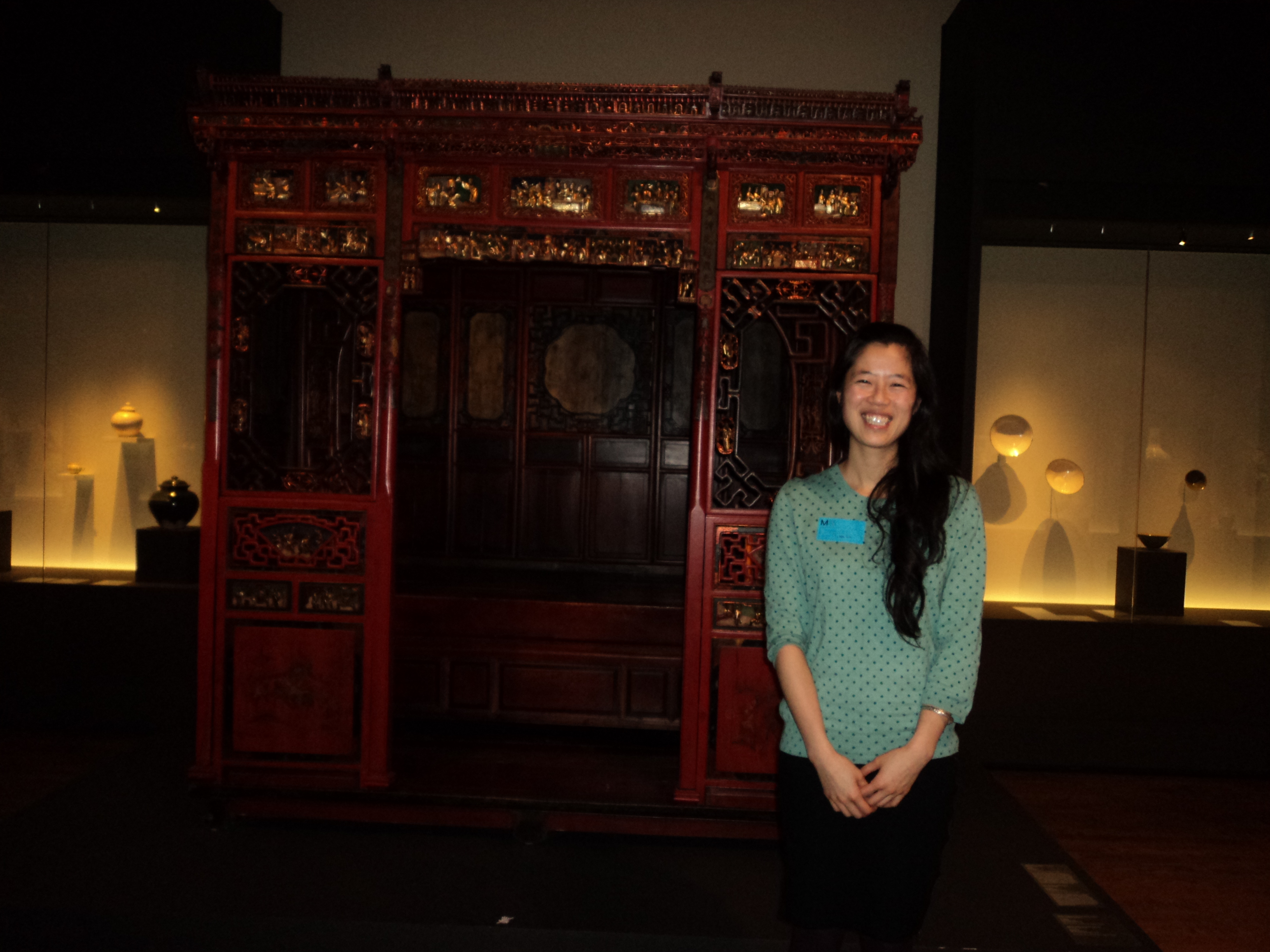
Karen Tam in front of Qing dynasty Alcove Bed at the Montreal Museum of Fine Arts

When my friend Karen Tam, told me earlier this year that she was the artist-in-residence at the Montreal Museum of Fine Arts, I asked her two questions:

1) Do the statues come to life like in the movie A Night at the Museum?
2) What was she doing there?

So maybe my imagination is fueled by movies including Indiana Jones and more recently, Monument Men, and maybe I was disappointed that the answer to my first question was “no,” but I found Karen’s project to be very intriguing.

I met her again on the last day of her residency, this time at the museum, to find out exactly what she was working on. She had spent six weeks exploring their archives and learning about the history of the museum’s collection of Chinese art and artefacts. It was late Friday morning, and we sat on a vinyl bench on the third floor where only a handful of people were perusing the display cases.

Many of the objects she examined came from antique dealers in New York, Boston and London, two of who obtained valuable artefacts because of major historical events. Goods belonging to Japanese-Americans who were interned during the Second World War wound up in the hands of Yamanaka Sadajirô and his company Yamanaka & Co which dealt in government confiscated goods. The other one was C.T. Loo.  Treasures that once belonged to the Chinese Imperial Family fell into his hands as they sold what they could in order to flee China before the fall of the Last Emperor and the Japanese invasion. Accused of being a thief and looter of China’s national treasures, Loo defended himself by saying he was actually saving the art by selling them to collectors.

It seems that the museum also played a small part in history. In the 1940s, the museum held three exhibits by Chinese artists of which one was to raise money for China’s Nationalist Party and another for China’s Communist Party. However, all three exhibits were held when Canada’s Chinese Exclusion Act (which banned Chinese immigrants from entering the country from 1923-1947 )was still in force. Canadian society, while appreciating the art and culture of the Far East, did not hold the same appreciation for the people who created it.

The museum’s Chinese collection holds many stories, but as Karen’s residency ends her interest does not. She is holding talks with the museum about the possibility of holding an exhibit based on her discoveries. In the meantime, her next installation will be at the Mendel Art Gallery in Saskatoon as part of the exhibition “Convoluted Beauty: In the Company of Emily Carr,” at the end of June. Her subject will be Lee Nam, a Chinese immigrant to British Columbia, who was a painter and a friend of Emily Carr. In collaboration with Montreal-based painter, Lui Luk Chun, a senior artist in his seventies, she will re-imagine what Lee Nam’s studio looked like in the 1930s.

You can read more about her experience as artist-in-residence at the Montreal Museum of Fine Arts on her blog Pumpkin Sauce. Check out her portfolio at http://www.karentam.ca.

Click on the link to learn about the artist’s residency at the Montreal Museum of Fine Arts.

The Potato Wars: How Chinese Farmers Fought for the Right to Sell Potatoes

The Potato Wars is a true story about how in 1935, a group of Chinese potato farmers fought The BC Coast Vegetable Marketing Board for the right to sell potatoes. The Board had implemented a system of quotas and fixed prices that prevented the Chinese from selling their produce in Vancouver. It’s a piece of Chinese-Canadian history that graphic artist, Joanne Hui, examines in a unique way and in the process, makes learning history fun.

Check out Joanne’s blog here  or take a look at her work and profile at En Masse.

20140126-191702.jpg

Lion Heads waiting to welcome 2014

Enter the Lions – Welcoming the New Year Chinese Style

The pounding beat of a drum, the clash of cymbals and the sound of firecrackers rang through Montreal’s Chinatown Sunday afternoon to scare away evil demons. The lions had arrived to celebrate the New Year. The lions are members of The Montreal Chinese Lions Dance Club, a martial arts and lions dance club. Dressed in colourful, shimmering costumes, they visit stores, restaurants and tong associations in Chinatown to wish them luck and prosperity in the New Year.

Thank goodness the deep, freezing cold temperatures broke this weekend. It was a balmy -1 Celsius. The snow was turning to slush. A small cloud of smoke billowed as firecrackers exploded in Sun Yat-Sen Square. The lions bowed and pranced in front of guests of honour, each of whom dangled a head of lettuce and a red envelope from a pole.  According to tradition, the lion eats the lettuce and the envelope. Then, it tosses the pieces of lettuce in the air to wish the person and the establishment prosperity in the coming year.

The crowd followed the lions up Clark Street to their first stop. Someone on the second floor dangled a head of lettuce and a red envelope from a pole high over the sidewalk. The lions leaped and danced and successfully grabbed both items.

Le Cristal was packed with customers having dim sum when the lions made their entrance into the restaurant located on the sixth floor. Cameras and cell phones snapped photos as the lions wound their way around the tables and headed towards the far end. The owners hung the lettuce and red envelope from the ceiling which was more of a challenge since it was so high. Customers cheered as the lions made several attempts and then burst into applause when they succeeded.

For the next three hours, the lions made their way into shopping centers and stores. They stopped at doorways marked by a head of lettuce and a red envelope hanging from the top, or where someone waited with a pole. The crowd grew as the small parade made its way along La Gauchetière Street, chasing away evil spirits to ensure the community a happy and prosperous new year.

Celebrating Chinese New Year

It’s great that people celebrate Chinese New Year, no matter what their nationality. With that in mind, I am re-posting below, with the author’s permission, a wonderful blog from YummyMummyClub.ca about one woman’s reasons for celebrating Chinese New Year.

Check out YummyMummyClub.ca for food and decor ideas for your Chinese New Year celebration. 

Why I Celebrate Chinese New Year

It started with egg rolls when I was a kid

by: Evelyn Hannon

I am a Jewish woman living in Canada, and I am Caucasian. So, why in the world do I celebrate Chinese New Year?

Well, the simple answer is—I love all things Chinese. This affection didn’t develop overnight, nor did it develop lightly. My love grew from small likes to happy memories to intense experiences and gradually blossomed into full-bodied, full-blown LOVE.

To begin, when I was a kid in Montreal, Lee’s Garden on Park Avenue served the Canadian Chinese food my family and I ate on special treat nights. I actually grew up believing that all kids in China snacked daily on garlic spare ribs and countless egg rolls dipped in sweet plum sauce. Oh, how I envied them and their supposed diet. I loved that food.

During high school, my friends and I popped into that same restaurant walking home after school. Twenty-five cents bought us a Chow Mein Sandwich—a hamburger bun filled with steamed bean sprouts covered in a mysterious pale brown sauce. Lee’s was our teenage hangout with lots of young love and flirting going on. I remember eating that snack as slowly as possible so we could stay as long as possible. Such sweet memories!

My interest in Chinese culture blossomed much later, in my thirties. This time, it wasn’t associated with plum sauce or young love. It was Traditional Chinese Medicine (TCM) that intrigued me. Acupuncture, Qi Gong, massage, the use of herbs—these were medical practices thousands of years old, and in Canada, doctors were not yet embracing these ideas. But I read everything I could get my hands on. In 1989, I applied for a research grant to go to China to study the ways in which Chinese women were treating patients with TCM. It was a lark. I never expected anything to come of it. However, I did hope.

Oh my goodness! Imagine my surprise when I received a note on government letterhead awarding me $17,000 to go to Beijing and investigate my interest. That money took me to Asia for a month—my first time in Beijing, a city of what seemed like a gazillion people on bicycles. I was considered a “visiting dignitary,” and assigned a limo driver and translator who accompanied me everywhere I needed to go. There were also two local mentors tasked with watching over me during my visit. The first, a wonderful woman who was the Head of Beijing’s School for Traditional Chinese Medicine, and the second, her mother (in her eighties) who was the Honorary Chair of the Chinese Red Cross. I remember sitting on a couch in the elder woman’s tiny apartment, holding her hand, and (via my interpreter) telling her that even though we couldn’t speak directly, I could feel her words in my heart. Sappy, perhaps, but I had fallen totally “in like” with the people, their kindness, and their wonderful sense of humour. And even though I didn’t understand the words, I loved the sounds and the rhythm of the Chinese language. By the time I headed home, I was really hooked.

Fast forward to 2001. My younger daughter lets me in on a very big secret. She is adopting a baby girl from China. And would I travel to China with her to receive the newest member of our family? Of course I answered with a resounding, YES. Two months later, in a hotel room in Xi’An, we sat on chairs facing twelve orphanage nannies holding twelve crying baby girls.

My daughter’s name was called. She walked to the center of the room. Lotus, Xiao Ai her given daughter was placed in her arms. After three years of waiting, a dream fulfilled and one more very delicious family member for me to love.

Seven years later, Lotus and I skyped with her mom and dad who are in China, this time to receive Bexie, Fu Li the second little member of the Chinese contingent in our family.

You can imagine the excitement when the plane from China touched down in Toronto and the whole family got to meet this new, sweet little Chinese darling face to face.

And so now, in our mixed Jewish, Christian, and Chinese family, we get to celebrate all the major holidays. In November it was potato latkes for Chanukah, in December, Christmas dinner, and today, we are looking forward to Chinese New Year at the end of January. There will be a wonderful dim sum meal in Chinatown, cheering when the menacing dancing dragon comes into the restaurant and, of course, I’ll be joining all the other parents and grandparents of Chinese children handing out the traditional gifts of money tucked into Chinese red envelopes. Gung Hai Fat Choy—Happy Year of the Horse everybody!


The Red Envelope – Guidelines on giving Lai See

When I was a kid, one of the best things about Chinese New Year was the red envelopes my parents and their friends gave me. Tucked inside the small decorated envelopes was one or two dollars or maybe even five (a fortune in those days). Now as an adult, I’m expected to give out red envelopes. The rule, as my parents had explained back then, was to give money to children and anyone who was unmarried, (usually to someone no older than 25). Society has undergone a huge shift since then and the rules have become blurred, but thanks to Molalacompany.com this guideline makes everything perfectly clear.

Guidelines on Giving Lai See on Chinese New Year

One of the Most Important Things a Writer Can Do

One night last week, I was sitting and staring at the computer screen as usual. No, I wasn’t working on my next book or the play that I started writing last year, but it was one of the most important things I could do for my writing career.

You see, a couple of days before that evening, I had one of those scary moments when my writing life flashed before my eyes. I was sitting in my usual chair with my laptop working on an outline when the screen blanked out and then a blue screen with white text momentarily popped up. The only words I caught before it blinked out were “hard disk” and “crash”.

Writers' Tip

My heart stopped. I could feel the blood draining from my face. Flashing before my eyes were the files I had stored on the hard drive, possibly gone forever. Logically, there was no need to worry about the stories that were already published, but I kept drafts of them in various stages as a reminder I suppose, of the hard work that went into them. Then there were the gems of ideas in the beginning stages that I envisioned as someday being fully formed novels or plays or scripts. There were outlines and maybe two or three chapters of bad plots and weak characters that would now never see the light of day, the short story collection that I planned to publish as an e-book, photos from the past several years and videos that I had created for special occasions.

Did I back them up? I couldn’t remember. I did at one point copy the file folders onto a USB key, but had I done it recently? These thoughts flew though my mind in a matter of seconds, and then, miraculously, the computer rebooted and was back up and running in a couple of minutes.

So that was why I was staring at the computer screen that night last week, not writing, but setting up an external hard drive that is now connected to my laptop. The only New Year’s resolution I made this year was to get my writing life in order and finish a couple of these projects. Now I know that it includes making sure that my work is backed up. And, my laptop has a date for a check-up with a computer technician.

Have you ever had any close calls?

An Old-Fashioned Chinese-Canadian Christmas

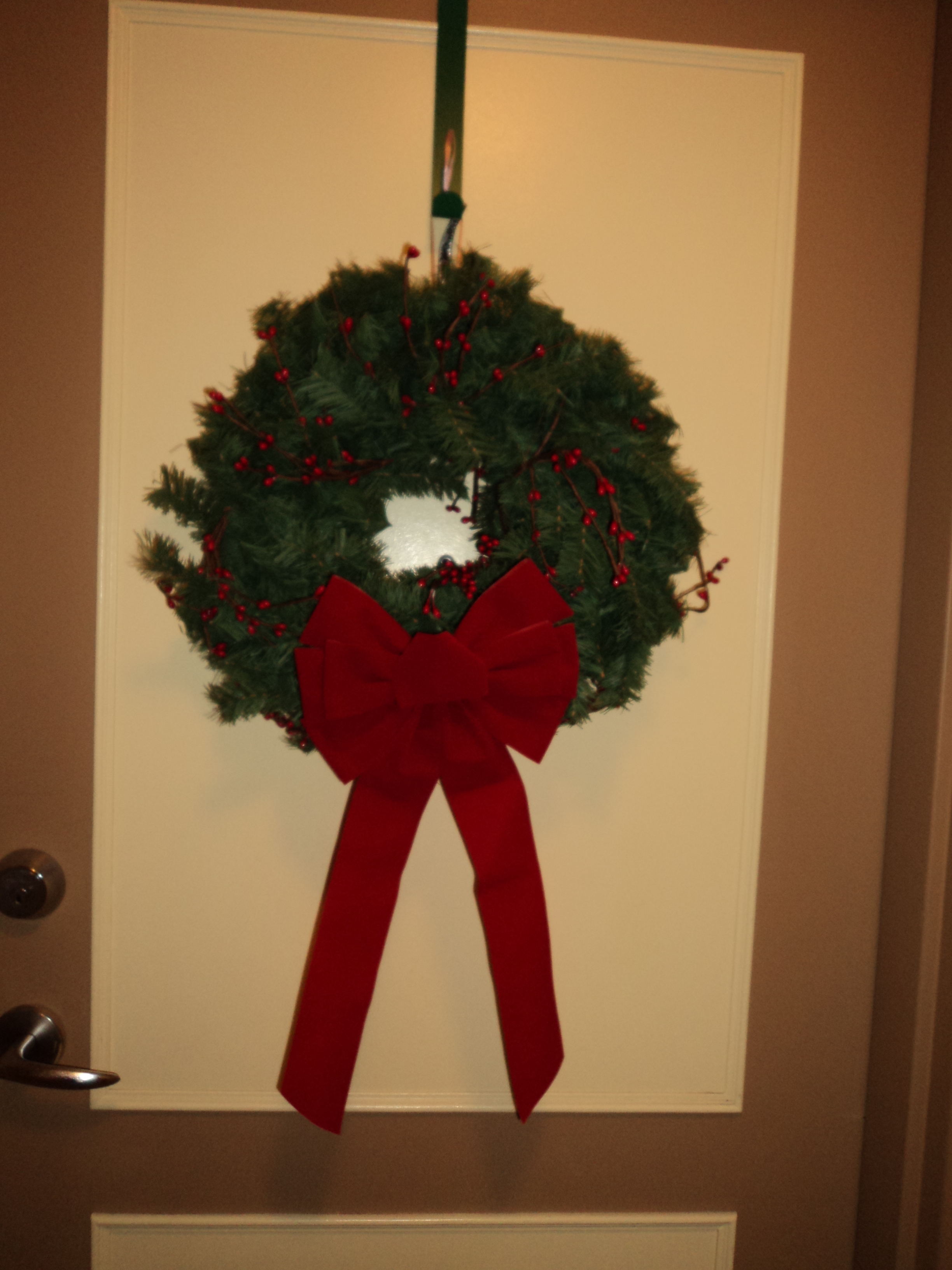
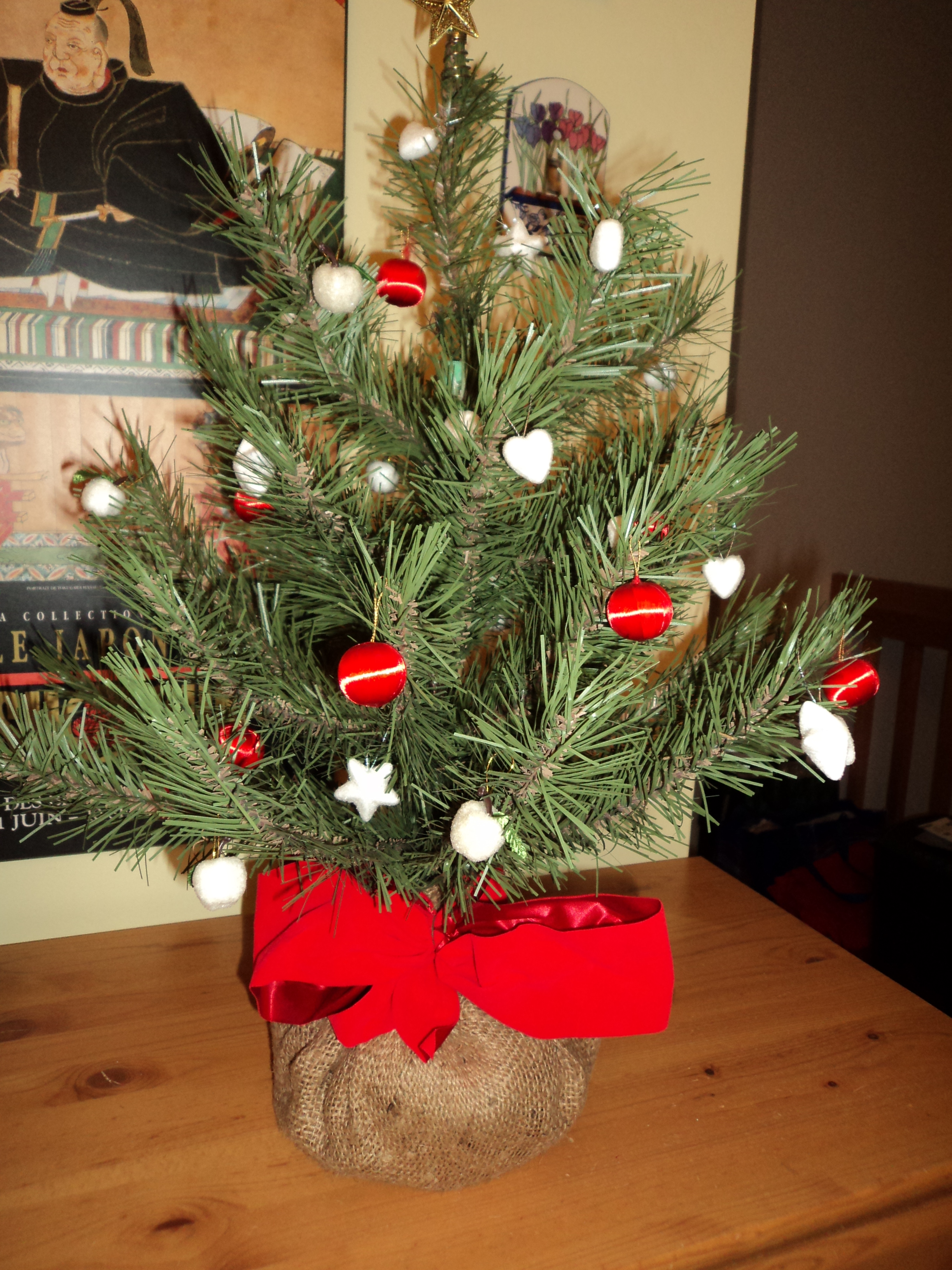
A Chinese-Canadian ChristmasWell, I’m officially in holiday mode. I’ve got a wreath on my door, my Christmas tree is up, (all 12 inches) and I’ve started shopping for gifts (so far I bought two for me and zero for anyone else).

But what really makes it feel like Christmas is watching Christmas movies on TV: White Christmas, Elf, Christmas Vacation, and How the Grinch Stole Christmas are a few. My absolute favourite is A Christmas Story. Did you know that it was filmed in Canada? That last scene in the Chinese restaurant is classic. It’s not only a movie classic, it’s a classic Chinese-Canadian Christmas because when I was a kid, I spent every Christmas Day in my family’s restaurant.

The winters of my childhood practically guaranteed a white Christmas. I buckled on my brown rubber boots with a fake white fur trim sometime in November when flakes started to fall and by mid-December accumulated enough for snowball fights at recess. It was in elementary school where, being the only Chinese in the entire school, I learned about the meaning of Christmas. I already knew about Santa Claus, but I had suspicions about whether he really existed because whenever I asked for a toy, my parents asked how much it cost and I was pretty sure Santa wasn’t concerned about money.

In 1962, my father bought out his partners and became the sole owner of Lee’s Garden, a Chinese-Canadian restaurant on Park Avenue in Montreal. With my mother managing the kitchen and my dad out front with the customers, the restaurant opened early in the morning until the wee morning hours the next day. Neither rain, nor sleet nor snow nor hail could keep the restaurant closed. Customers could always count on a hot bowl of won ton soup, egg rolls with plum sauce, a platter of almond ding, Cantonese chow mein or any other Chinese-Canadian dish 365 days a year.

Preparations for Christmas began in September when my father placed his order for calendars with a printer in Hong Kong. In November, Canada Post delivered boxes of wall calendars featuring pretty Chinese woman wearing “teong sam,” the short-sleeved, tight fitting, satin dresses with the mandarin collar. Then on December 1st, calendars were rolled-up and slipped inside every bag of take-out, to thank customers for their business during the past year and to wish them the best in the new one. Like Santa pouring over the naughty and nice list, a list was dutifully kept of every family who received a calendar to ensure there wasn’t any duplication.

When the time came to put up the tree, my father bought the biggest one he could find at the neighbourhood tree seller for five dollars. He and my brother grappled with a tree that seemed determined not to come inside. When they finally made it through the front door, it took the help of the waiter plus a cook or two to get it upright and to screw it into the metal stand. Breathless from exertion, everyone stepped back to admire the tree. Mini Christmas tree
My dad would always say, “Looks good,” even if one side had a bare spot that would have to be turned to the wall. The tree had a special place in the corner, in the little waiting area beside the front entrance. The tree would be at least as tall as the doorway with plenty of room between the tree top and the high ceiling for the star.

First order of business was to water the tree. Then, dusty boxes filled with decorations were brought upstairs from storage. My dad connected strings of lights into extension cords that would make a modern day fire official cringe. We crossed our fingers praying that none of the bulbs were burnt out or else someone would have the tedious job of checking them one by one. Cheers mingled with sighs of relief when the lights glowed. As we decorated the tree with garland, glass ornaments, tinsel and a foil star from Woolworth’s, statues of the three Buddhas of health, wealth and happiness smiled at us from their perch on the shelf above the counter.

On Christmas Eve, my father typed up the Christmas special my mother had planned. Like the other daily specials it included won ton soup, egg rolls, chicken fried rice and a choice from two other dishes. Dessert was either red or green Jell-O with a dollop of whipped cream. That was the Christmas touch.

My dad prepared the menu for the daily specials like this: he rolled two small sheets of paper with a piece of carbon paper in the middle into the old Underwood typewriter. Using two fingers, he typed out the Christmas special without making a single mistake. Then he’d get the jelly pan with the thick layer of gelatine from the refrigerator. The carbon copy of the daily special was carefully placed face down onto the gelatine. Then he gently rubbed his fingers over the entire sheet of paper several times. When he peeled the paper off, a mirror image of the daily special was left on the gelatine. Then he placed a blank rectangular sheet of paper over the exact same spot using the side of the pan to keep it straight and again gently rubbed his fingers back and forth over the entire sheet of paper. This time, when he peeled the paper from the gelatine, he had a perfect carbon copy of the Christmas special. He continued rubbing sheets of paper on the gelatine until he had printed enough copies for all the menus. Then, he cleaned the gelatine with water and put it back into the refrigerator, ready to be used the next day.

Christmas morning, the restaurant opened at ten instead of eight, affording my parents a bit of time with my brother, my sister and me to open presents at home. The smell of fresh coffee brewing greeted customers along with smiles and a cheerful “Melly Clistmas.” By noon, there was a steady stream of customers. The Christmas special was a popular choice.

At six in the evening, the doors were locked and a sign “Closed for Christmas party” was taped onto the glass door. Customers still finishing their meal were offered a free glass of wine or a shot of whiskey. As they slowly filtered out into the cold snowy night, our guests filtered in.

There were two or three men, friends of my parents, and the waiters and cooks who had the day off. Occasionally, someone new was invited, an acquaintance who didn’t have any place to go. All of these men had left parents, wives and children behind in China while they tried to build a life in Gold Mountain. One or two, like my father, were head tax payers and unlike my father were not successful in bringing wives and children to Canada after the end of the Second World War. My mother arrived in 1950 after being separated from my father for more than two decades. Our guests didn’t speak about their families and nobody asked, not wanting to remind them of any bad memories of either World War II or the Japanese invasion of China and the suffering that was inflicted on both sides of the ocean. These men, “Bachelors,” as they were known in the community, were happy to be in Canada, in Montreal, in our restaurant, warm and with the promise of a good home-cooked meal. We were the family they would know for many Christmases.

My dad welcomed his guests with a warm handshake and my uncle stood behind him, offering them a shot of Johnny Walker whisky to take off the winter chill. There were even bigger smiles later on when my dad handed out Christmas bonuses to the staff.

The waiters removed the low partition between two sets of booths that ran down the middle of the restaurant, enough to seat twenty-five. I helped set the tables with chopsticks and golden rice bowls decorated with a fiery dragon. When my mother announced that supper was ready, everyone settled into the booths in good humour, urging someone else to take what might be the best or the most comfortable place. Bird’s nest soup, Cantonese lobster, and seafood stir-fry filled the tables, but my favourite dish which we only ate at Christmas was what my father once jokingly told me was “Chinese turkey.” It’s a rectangular pan layered with chicken and shrimp and a thin layer of crispy chicken skin on top, War Siu Guy. My mother laboured over it for hours and it was heavenly. With the first part of the ten course meal on the tables, someone would always call for a toast. The adults raised glasses of whisky mixed with seven-up, and we kids raised our soft drinks, to toast the end of another year and happiness, health and wealth in the new one.

How to Order a Chinese Meal

With the holidays approaching, there’s going to be alot of getting together with friends over brunch, lunch and supper. So, I thought I’d post an article I wrote about ordering a meal in a Chinese restaurant that was published in the Oh Canada! column in the October 2002 issue of Canadian Living magazine.

Bon appétit! Or should I say Chin Chin!

* * *

When my father was alive, we celebrated holidays and birthdays with family dinners in Chinatown. Combined with my older brother’s and sister’s families, we would commandeer the largest table at our favourite restaurant.

While we buried our heads in the menus, my father would sit back, cross his arms and seem to stare off into outer space. When the waiter arrived, we would shout out our favourite dishes by their numbers on the menu.

When it was my dad’s turn, he would ask about dishes that weren’t on the menu. The waiter would brief him on the delicate flavouring of duck tongue, fried intestines and stewed tripe. Any mention of bitter melon fermented with black beans would make my father’s mouth water. “But they would never eat it,” he would mourn with a nod in our direction, and sadly order something for us with beef, pork or chicken. After scribbling characters onto his notepad, the waiter would shuffle off to the kitchen. My dad would turn to us with a sigh of dismay, and say, “You don’t know how to eat!”

According to him, the best dishes were not printed on the stain-speckled plastic menus the waiter tossed onto the table; they were written on the white, pink or red sheets of paper that adorn the walls of many restaurants in Chinatown. Black brush strokes list delectable dishes that are unfamiliar to the North American palate. Being Canadian-born, I always felt that ordering a meal off the wall required special skills to crack the secret code – like Indiana Jones reading hieroglyphs. If only I had made it past Grade 1 in Chinese school.

When the waiter returned with part of our order carefully balanced along the length of one arm, my dad would lament the predictability of his Canadian-born children and grandchildren. Cantonese chow mein and lemon chicken were mainstays at our every meal. Oh, we enjoyed traditional dishes, such as Eight Enhancement Soup, chicken boiled in soy sauce and Cantonese lobster, but it was the writing on the wall that separated immigrant from Canadian-born Chinese.

“What is it?” I would ask when an unrecognizable dish found a spot on the crowded lazy Susan in the centre of our table.

“Oh, good stuff,” my dad would say, glowing in anticipation of eating his choice dish. “Nothing you like.”

I would eye it suspiciously and sniff its aroma. I would interrogate my father and the waiter on the ingredients. My dad would grunt his displeasure at my behaviour. Was this really just about the food, or had I missed the cultural boat by ordering from the wrong menu?

My Canadian-born Chinese friends also back away from the wall when we dine together. And if the waiter reads the specials off the wall in Cantonese or whatever is his native dialect that ultimately brings up another embarrassing point: we can’t understand Chinese either.

“Can’t read and can’t speak?” a waiter once exclaimed, echoing our parents’ disappointment. “Lemon chicken!” he sang out in heavily accented English as we slowly sank under the table in embarrassment.

My father passed away several years ago, and, though our families still gather for special dinners, the ones in Chinatown are less frequent. On those rare occasions, it’s my brother who – with the waiter’s help – ventures to order off the wall.

When an unfamiliar dish arrives, I still look at it with suspicion. But you know what? I really like lemon chicken.